Refresh Your Environment: Leading Painting Services to Boost Your Home's Look
Giving a home a new life through painting can significantly change its aesthetic appeal. The selection of colors is key in affecting feelings and perception. Professional painting companies provide a variety of techniques tailored to specific needs. Knowing these options and their implications is crucial. When homeowners consider a transformation, questions about budgeting and planning emerge. What considerations will lead to a successful project? The answers may amaze you.
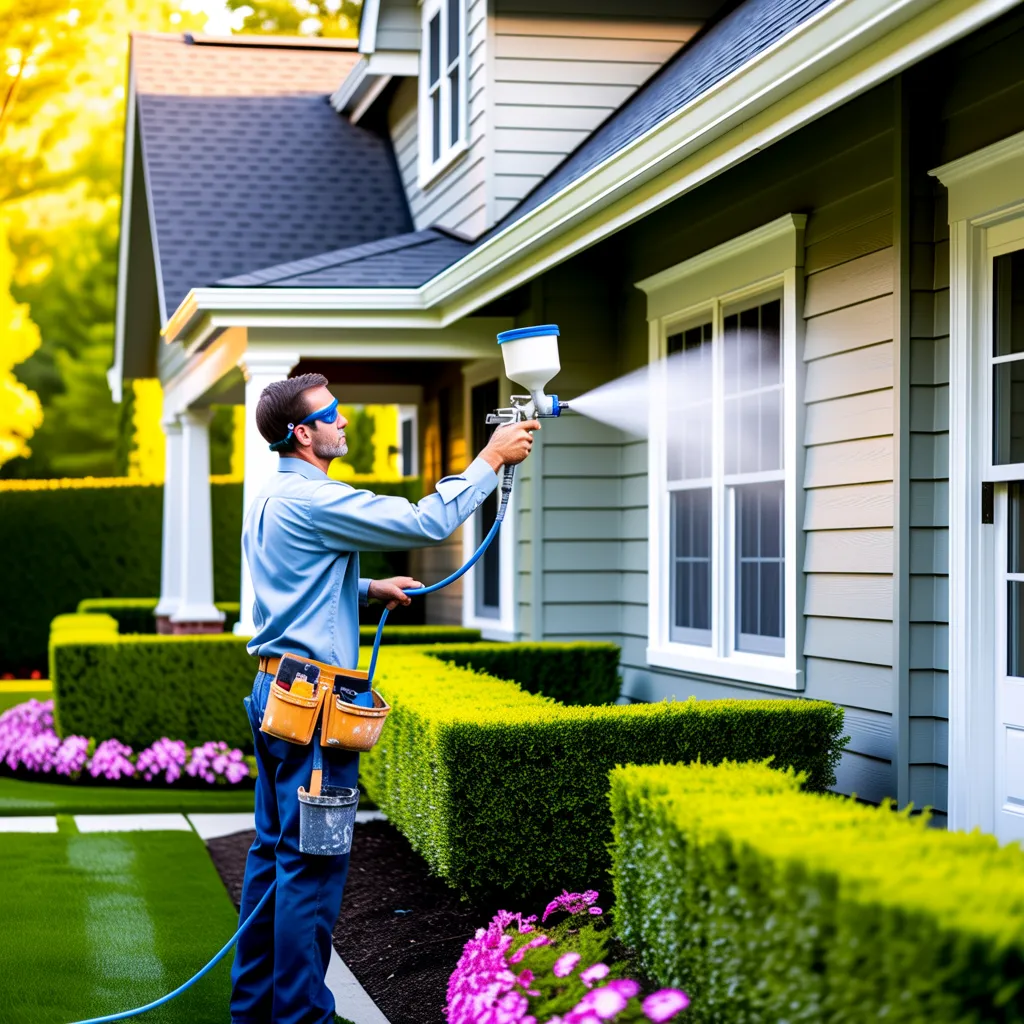
Comprehending the Importance of Color on Mood and Space
How can color influence one's perception of space and emotions? Hues serve an essential role in forming human encounters and feelings. For instance, warm hues like red and orange can inspire vitality and warmth, making a room feel inviting. In comparison, cool tones such as blue and green often promote calmness and relaxation, expanding the perception of area.
The preference of shade can also influence the frame of mind of inhabitants. Vibrant colors may foster innovation and happiness, while darker tones can establish a sense of warmth or melancholy. Additionally, lighter colors tend to reflect more light, causing rooms look larger and more spacious, while darker tones can produce an intimate atmosphere. Therefore, understanding the mental impacts of color helps people take well-considered choices when designing their home spaces, ultimately enhancing ease and well-being.
Picking the Correct Paint Service for Your Particular Requirements
Picking the right paint service can significantly shape the outcome of a residential transformation. Homeowners should begin by examining their specific requirements, such as the scale of the project and wanted finishes. Examining regional painting services is vital; reviews and testimonials can give insight into a company's trustworthiness and quality of work.
Furthermore, prospective clients should request estimates to evaluate costs and services offered. This process helps in comprehending what is covered, such as prep work, materials, and guarantees. It is also advisable to ask regarding the painters' experience and whether they are certified and protected, guaranteeing confidence during the project.
In closing, strong communication is necessary. A professional painter should be responsive to questions and preferences, fostering a partnership atmosphere that aligns with the homeowner's vision. By thoughtfully evaluating these aspects, property owners can find a painting company that meets their aesthetic goals and budget.
Well-Known Artistic Techniques to Boost Your Home
Across the landscape of home painting, varied techniques can markedly strengthen aesthetic appeal. Accent walls, faux finishes, and color blocking offer unique ways to refresh spaces and articulate personal style. Examining these options can foster a more vibrant and inviting home environment.
Accent Wall Creative Approaches
Accent walls have become an growing popular method to add dimension and individuality to indoor environments. Homeowners are exploring various approaches to make a mark, often using bold colors or uncommon patterns. One popular approach is the application of geometric shapes, which can generate a up-to-date and energetic feel. Alternatively, nature-inspired hues can inspire tranquility, making spaces feel calm and inviting. Textured finishes, such as shiplap or brick, can also add visual appeal and warmth. For a elegant touch, metallic paints can lend an sleek sheen, improving the overall decor. These design choices not only elevate the aesthetic but also mirror the homeowner's personal style, making accent walls a adaptable option for modern interiors.
Faux Finish Techniques
Faux finish methods come in a variety that can convert ordinary walls into stunning focal points that resemble pricier materials. Techniques like sponging, ragging, and venetian plaster generate the appearance of texture and depth, boosting visual appeal. For example, sponging entails applying a base coat, followed by a complementary color using a sponge, which yields a soft, layered finish. Conversely, rag rolling employs a rolled-up rag to create a distinctive pattern, adding texture to any room. Venetian plaster offers a sophisticated finish, frequently seen in upscale interiors. By applying these methods, homeowners can achieve a rich look without the high cost, turning faux finishes a popular choice for upgrading home decor.
Color Arrangement Approaches
Color blocking notably captures attention in modern interior design, presenting a bold way to establish spaces and communicate individuality. This technique employs using two or more contrasting colors in a single area, establishing visual interest and a dynamic atmosphere. Homeowners can utilize color blocking deliberately, such as painting an accent wall or dividing walls into geometric sections. Choosing complementary colors strengthens the overall aesthetic, while choosing shades from the same palette can create a more subtle effect. It's essential to consider room size and lighting, as these factors affect how colors interact. By implementing color blocking, homeowners can convert mundane walls into striking focal points, enhancing their home's aesthetic and personal style.
Sustainable Painting: Eco-Friendly Alternatives You Should Evaluate
Many homeowners are progressively searching for eco-conscious paint solutions that minimize environmental impact while enhancing the beauty of their homes. Eco-friendly paints, such as water-based and low-VOC (volatile organic compounds) types, are gaining popularity. These selections reduce toxic fumes and encourage better air quality indoors.
Natural pigments, derived from minerals and plants, provide vibrant colors free from synthetic additives, catering to those who champion organic materials. Additionally, recycled and repurposed paint products are becoming more accessible, allowing for innovative applications without compromising sustainability.
Beyond paint, utilizing eco-conscious tools, such as bamboo brushes and rollers made from recycled materials, promotes green practices effectively. Homeowners are urged to contemplate the lifecycle of their chosen products, selecting those that offer endurance and lasting quality. By selecting sustainable painting options, individuals not only enhance their home's aesthetic but also work favorably toward environmental preservation.
Methods to Allocate funds for Your Painting Project
Selecting environmentally friendly paint options is only one aspect of transforming a home. Budgeting effectively for a painting project is just as important. Homeowners should start by evaluating the extent of the project, which includes measuring the areas to be painted and determining the number of rooms involved. Then, they should look into the cost of materials, including sustainable paints and required supplies.
Labor costs can vary greatly, so obtaining multiple quotes from local contractors is advisable. in-depth guide It is crucial to set aside a contingency fund, typically 10-15% of the total budget, to account for unforeseen expenses that may arise during the project.
To summarize, homeowners should establish their priorities and allocate their resources correctly, making sure critical areas receive proper focus while maintaining financial limits. By intentionally planning and weighing all variables, property owners can execute a stunning transformation without straining their budget.
Essential Questions to Ask Your Painting Contractor?
When appointing a painting professional, homeowners often question what key questions can guarantee an informed decision. Asking about the contractor's qualifications and experience is vital; inquiring how many similar projects they have completed can demonstrate their capability. Homeowners should also seek information about the types of paint and materials they advise, as high-grade materials can significantly influence the project's durability. It’s important to discuss the project timeline and the expected start and completion dates. Additionally, being informed about the contractor's billing setup, including any initial charges and last fees, can help prevent confusion. Homeowners should feel confident to ask for references or examples of past work, ensuring they are comfortable with the contractor's approach and professionalism. Finally, talking over warranty options and the extent of after-service can provide assurance, confirming the investment is protected for years to come.
Mapping Out Your Painting Assignment: Hints for a Smooth Situation
Planning a paint venture can seem discouraging; however, with detailed planning and organization, homeowners can guarantee a hassle-free experience. First, opting for the right shade is essential; using paint color samples can help visualize the final outcome. Next, it is important to clear the area of furniture and decor to allow for easy movement and protect belongings from paint splatters.
Homeowners must think about the duration of the task. Timing the work during appropriate weather can maximize paint sticking and drying time, particularly for outdoor painting. Furthermore, creating a precise timeline for the project can stay on schedule.
Ultimately, sourcing quality materials is crucial. Allocating funds for superior painting materials and implements can significantly influence the finish and longevity of the job. By implementing these suggestions, homeowners can enhance their painting project, revamping their space productively while finding enjoyment in the process.
Frequently Raised Questions
What Duration is Required for a Average Residential Paint Task?
A typical residential painting project usually requires between three to seven days, based on factors such as the size of the space, the number of rooms, and the intricacy of the paint job involved.
What Categories of Paint Finishes Can You Find?
Numerous paint finishes are obtainable, including matte, eggshell, satin, semi-gloss, and gloss. All options provide unique traits, impacting durability and sheen, allowing homeowners to select based on their visual preferences and functional needs.
May I Stay in My House Throughout the Painting Process?
Yes, a person can stay home during the painting job. However, it may be wise to maintain distance from the work area to prevent fumes and guarantee a smooth workflow for the painters.
What Steps Should I Take to Arrange My Home for Repainting?
Preparing a home for painting involves clearing furniture, covering floors, washing surfaces, fixing any damage, and masking edges. Adequate ventilation and arranging supplies also enable a more efficient painting experience.
What occurs if I am unsatisfied with the performance?
When discontent occurs, the homeowner should communicate issues with the painting service. Plenty of established companies offer corrections or adjustments to meet expectations, assuring a satisfactory conclusion and maintaining their commitment to quality customer service.